Split image and text

Misumi turns industrial buying into a documented routine.

The company behind this site serves purchasing and engineering teams that do not want a new conversation every time a part is reordered. Misumi's role is to make tooling, machine components, custom parts, and factory automation hardware easier to specify, quote, and release with fewer loose assumptions.

Procurement team reviewing catalog and custom part records

Narrative with pullquote

A practical operating story, not a brand myth.

Industrial buyers often arrive with a mixed packet: one catalog item, two custom brackets, a replacement shaft, a line of fasteners, and a note from maintenance asking for the same thing as last quarter. Misumi is built for that kind of ordinary complexity. The work begins by turning scattered requests into a clean part record. Each record is checked for item family, drawing revision, material condition, tolerance level, standard or requested lead time, inspection requirement, and the reason the part may be purchased again.

Clear buying records are cheaper than repeated clarification calls.

That belief shapes the way the site is written and the way inquiries are handled. A buyer should be able to see what is in scope, what information is missing, and how the request will be reviewed. When a component becomes a recurring order, the value is not only the first shipment. The value is also the saved setup time on the second and third release, the fewer mismatched expectations at receiving, and the ability to explain a supplier decision to finance or quality without searching through old messages.

Horizontal value row

Values expressed as procurement behaviors.

List the constraint

Material, tolerance, finish, packaging, and documentation limits are kept visible because hidden constraints usually become schedule problems.

Protect the revision

Every request points back to the drawing, model, or catalog reference that controlled the quote, reducing confusion during repeat buys.

Show the lead time

Standard lead time and exception notes are stated plainly so purchasing can compare release dates without decoding vague promises.

Keep the file useful

Order notes are written for the next buyer, not only the current sales cycle, so supplier memory is captured in a reusable format.

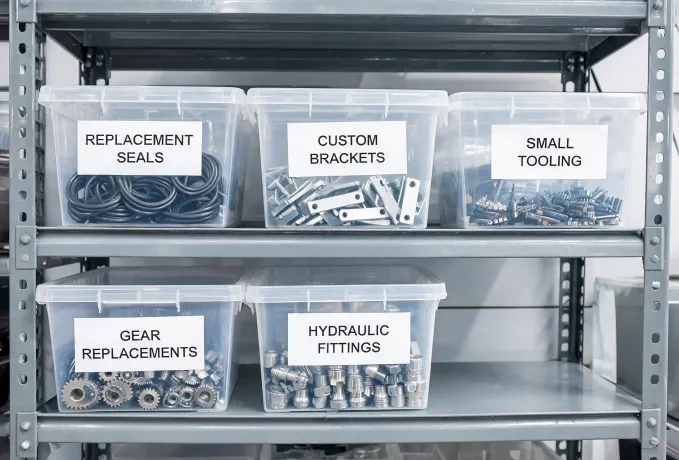
Maintenance and machine builder parts staged for reuse

Community impact

Less friction for machine builders, repair teams, and small manufacturers.

When a shop can reorder the right component quickly, a stalled machine returns to service faster and fewer emergency purchases are made. Misumi's catalog and custom part discipline helps local equipment builders, maintenance teams, electronics assemblers, and automation integrators hold a smaller but better-documented set of parts. The social value is practical: fewer wrong items, fewer rush shipments, fewer temporary fixes, and more time spent on production rather than chasing missing details.

The same discipline supports internal quality teams. A supplier file with clear drawings, inspection expectations, and material notes makes it easier to train new buyers, explain sourcing decisions, and keep critical spares consistent. That is why Misumi's tone is intentionally direct. The audience is usually busy, technical, and accountable for cost, downtime, and documentation.

With form

Turn a recurring part into a cleaner buying record.

Send a drawing, part list, catalog reference, or replacement requirement. We will help sort the request into catalog supply, custom part review, or capability documentation.

Spec intake

Send the drawing, target lead time, and repeat volume.

We route every request to a procurement-aware engineer before quoting.